
Virtual Diagnostic Evaluation for Adults Who Suspect OCD
OCD Testing & Evaluation Near Atlanta
Formal OCD assessment and diagnostic evaluation for adults, conducted virtually with Dr. Alex Crenshaw.
Most people with OCD don't present the way it looks on television. They're not always counting or checking locks. They might be stuck in their head for hours, afraid of saying the wrong thing, terrified of harming someone they love, or caught in loops of doubt that never resolve no matter how much they think it through.
OCD is one of the most frequently misdiagnosed conditions in clinical practice. It's mistaken for anxiety, depression, perfectionism, and personality. Many adults with OCD have been in therapy for years — sometimes for the wrong thing.
A formal evaluation changes that.
Dr. Alex Crenshaw offers OCD assessment and diagnostic evaluation for adults virtually via secure telehealth. He is experienced with evidence-based treatments for OCD, including Exposure and Response Prevention (ERP), and his clinical approach is grounded in current research on how OCD actually works.
Learn more about our full range of psychological testing and diagnostic evaluations for adults.
OCD Often Goes Undiagnosed — Or Gets Misdiagnosed
OCD is estimated to affect around 2–3% of the population, but many adults don't receive an accurate diagnosis for years. There are a few reasons for this.
OCD doesn't always look obsessive. The compulsions aren't always visible behaviors — they can be mental: reassurance-seeking, reviewing memories, neutralizing thoughts, arguing with yourself internally. To an outside observer, or even to a therapist who isn't familiar with OCD's range, it can look like overthinking, anxiety, or rumination.
The content of OCD is often the most private, disturbing material imaginable. Intrusive thoughts about harm, contamination, religion, sexuality, relationships, and identity are common in OCD — and they're the thoughts people are most unlikely to volunteer without prompting. Many people suffer in silence, convinced that what they experience means something about who they are.
Do Any of These Sound Familiar?
You don't have to check locks or wash your hands to have OCD. The presentation matters less than the underlying cycle — obsession, anxiety, compulsion, temporary relief, repeat.
What the OCD Evaluation Includes
A structured diagnostic evaluation designed to clarify whether OCD is present and what treatment should look like.
Investment
$900–$1,100
Initial phone screening to discuss your concerns and confirm this evaluation is the right fit
Brief screening survey, when appropriate, completed before your appointment
90-minute clinical interview covering your history, current symptoms, and how they're showing up in your life
60-minute feedback session reviewing findings and recommendations
Written clinical report documenting the evaluation, diagnosis, and specific next steps
This evaluation is conducted virtually via secure telehealth.
Because OCD frequently co-occurs with depression, anxiety, PTSD, and other conditions, the evaluation examines the full picture — not just whether OCD criteria are met, but what else may be contributing and how treatment should be sequenced.
Most evaluations are $900. The fee is $1,100 when additional clinical interview time beyond the standard 90 minutes is needed. This is discussed with you in advance. A superbill is available upon request for potential out-of-network insurance reimbursement.
Why It Matters That Dr. Crenshaw Is Experienced with OCD
Not every clinician who sees anxiety disorders has experience with OCD. Dr. Crenshaw is trained in Exposure and Response Prevention (ERP), the gold-standard behavioral treatment for OCD. He also has training in related evidence-based approaches including Acceptance and Commitment Therapy (ACT) and Cognitive Behavioral Therapy (CBT).
This matters for assessment because a clinician who understands how OCD works — and how it's treated — will ask different questions, recognize subtler presentations, and give you a report that actually informs treatment rather than just naming a diagnosis.
What You'll Walk Away With
After the evaluation, you'll have a written clinical report with a clear diagnostic picture and specific treatment recommendations. The 60-minute feedback session gives you time to understand what the findings mean, ask questions, and talk through options.
If OCD is confirmed, the report will include recommendations tailored to your presentation — whether ERP, ACT, medication consultation, or a combination is indicated. If the evaluation points elsewhere, you'll have clarity on what to pursue instead.
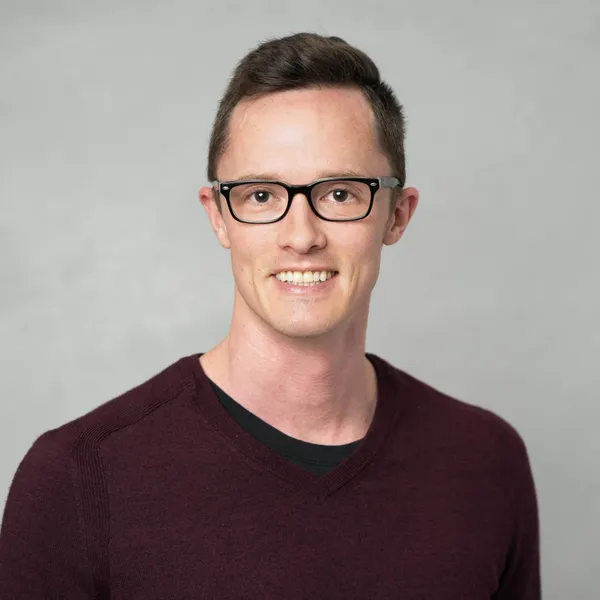
About Dr. Alex Crenshaw
Dr. Crenshaw is a licensed psychologist with a PhD in Clinical Psychology from the University of Utah. He completed his predoctoral internship at the Charleston Consortium and a postdoctoral fellowship at Toronto Metropolitan University. He is also an Assistant Professor of Psychology at Kennesaw State University, where his research includes psychological interventions and the mechanisms underlying effective treatment.
His clinical approach is evidence-based and precise. He draws on current research to guide both assessment and treatment, and he works across a range of complex presentations including OCD, ADHD, PTSD, and anxiety and depression.
Dr. Crenshaw is a member of the Association for Behavioral and Cognitive Therapies, the Society for a Science of Clinical Psychology, and the Society for the Improvement of Psychological Science.
Frequently Asked Questions
How do I know if what I'm experiencing is OCD or just anxiety? ▼
They can look very similar on the surface, and they frequently co-occur. The key clinical distinction is the obsession-compulsion cycle — a specific trigger, an intrusive thought, anxiety, and a compulsion (mental or behavioral) that temporarily reduces the anxiety. A formal evaluation is the most reliable way to distinguish OCD from generalized anxiety, health anxiety, PTSD, or other conditions.
My intrusive thoughts feel too disturbing to talk about. Is that normal with OCD? ▼
Yes. Intrusive thoughts in OCD are often violent, sexual, religious, or otherwise distressing — and their disturbing nature is part of what makes OCD so isolating. The content of the thought is not a reflection of your character or intentions. Dr. Crenshaw is experienced working with the full range of OCD presentations.
Does insurance cover OCD evaluation? ▼
This evaluation is self-pay. A superbill is available for potential out-of-network reimbursement. Coverage varies — contact your insurance provider to ask about out-of-network psychological testing benefits.
What happens after the evaluation if I'm diagnosed with OCD? ▼
The written report will include specific treatment recommendations for your presentation. Dr. Crenshaw also offers ERP-based OCD treatment at Peachtree Psychology. Treatment options can be discussed during your feedback session.
Do you see OCD in adults specifically, or mostly children and teens? ▼
Dr. Crenshaw works with adults. OCD is a lifelong condition for many people, and adult presentations — particularly in those who've spent years undiagnosed — often involve complex histories and significant functional impairment.
Are you currently accepting new clients? ▼
Yes. Dr. Crenshaw is currently accepting new clients for virtual evaluations.
Is this evaluation in person or virtual? ▼
OCD evaluations are conducted virtually via secure telehealth. ADHD assessments are the exception — those are conducted in person at the Roswell office.
OCD Testing for Adults Across North Atlanta
Dr. Crenshaw offers virtual OCD evaluations for adults throughout Georgia, including the Atlanta metro — Roswell, Alpharetta, Sandy Springs, Johns Creek, Dunwoody, Buckhead, East Cobb, Marietta, and surrounding communities.
How This Evaluation Is Conducted
Virtual via secure telehealth
OCD evaluations are conducted virtually. ADHD assessments are conducted in person at Peachtree Psychology's Roswell office.
Learn about the Roswell office →Serving adults throughout Georgia, including Roswell, Alpharetta, Sandy Springs, Johns Creek, Dunwoody, Buckhead, East Cobb, Marietta, and surrounding communities.
Watch: related videos with Dr. Alex Crenshaw
Short clinician videos with summaries and transcripts on Peachtree — not a substitute for evaluation or therapy.

Ready to Get a Clear Answer?
If you've wondered whether what you're experiencing is OCD — and you're tired of carrying it without knowing — a formal evaluation is the most direct path to clarity. Dr. Crenshaw's assessment process is structured, thorough, and informed by clinical experience with OCD.