How to Get Your Teen to Open Up (Without Pushing Them Away)
You ask how school was. You get “fine.” You ask what’s wrong. You get a door closed softly — or not so softly. Meanwhile, they’re texting friends for an hour, talking to cousins, or pouring their heart out to a group chat you aren’t in.
That gap hurts. It also makes many parents wonder: Am I doing something wrong? Sometimes yes, in small ways that are easy to fix. Sometimes the pull toward peers is simply what adolescence is designed to do. And sometimes silence is a signal that your teen needs more support than a good conversation at home can provide.
This guide is for parents who want closer communication — without turning every interaction into a lecture, interrogation, or pep talk.
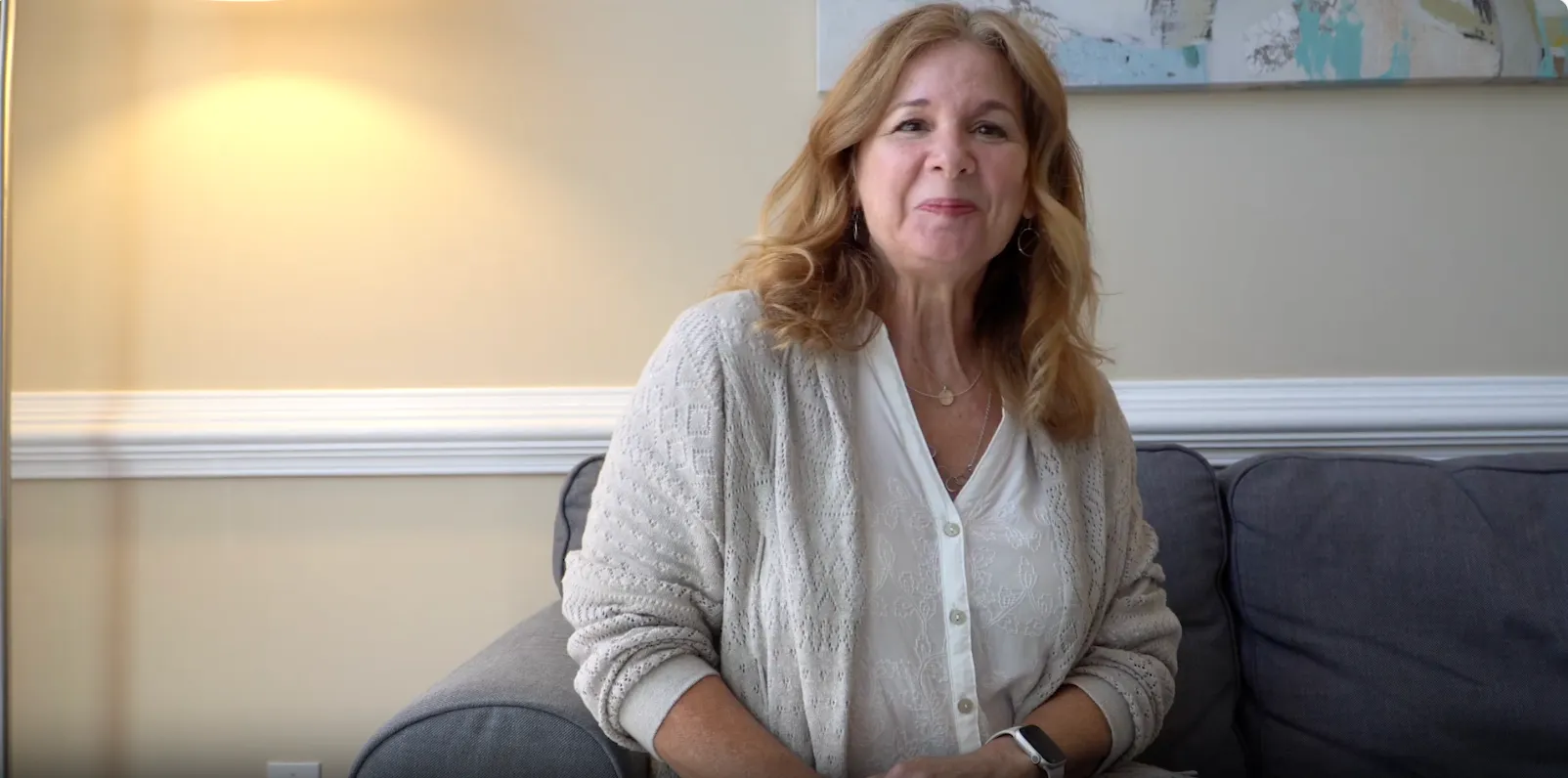
Dr. Jeannine Jannot also shared expert commentary on this topic in Good Housekeeping’s guide to getting teens to confide in you.
Why Teens Confide in Friends First
Developmentally, teens are wired to practice independence by building peer relationships. Pulling away from parents is not automatically rejection — it’s rehearsal for adulthood. Friends feel safer for another reason too: they usually listen without trying to fix, grade, or manage the situation.
What parents can control is whether home feels like a place where honesty is met with curiosity — or with consequences, lectures, and a to-do list.
Habits That Quietly Shut Teens Down
Most parents don’t intend to close the door. These patterns still do:
Jumping Straight Into Fix-It Mode
Your teen mentions a problem and you offer solutions before they’ve finished the sentence. Helpful instinct. Wrong timing. Many teens stop sharing because every disclosure becomes a project plan.
Try this instead: Ask what they need — help, a hug, or simply to be heard — before you problem-solve.
Leading With Reminders Instead of Connection
Around middle school and high school, parents often shift into managerial mode: essays, practices, forms, grades. When the first words your teen hears are reminders, they learn that talking to you equals being managed.
Try this instead: Greet them with warmth first. “I’m so happy to see you” beats “Did you finish that assignment?” every time.
Invalidating Hard Feelings
“You’re fine.” “Stop overreacting.” “Other kids have it worse.” These lines are meant to reassure. To a teen, they sound like: You don’t take me seriously.
Try this instead: “I’m sorry you’re feeling that way. Tell me more.” Curiosity keeps the door open.
Punishing Honesty
If telling the truth reliably produces an explosion, teens will edit — or stop telling. Creating a safe environment for the truth does not mean skipping consequences. It means thanking them for honesty first, then addressing the behavior.
Treating Privacy Like Suspicion
Wanting privacy is part of growing up. Reading every text or framing solitude as sneakiness often creates more secrecy, not less. Trust grows when teens get chances to show they can handle responsibility.
Scripts That Invite Conversation
You don’t need perfect scripts. You need a tone that says I’m interested in you, not policing you.
- “Do you want help from me, a hug, or do you just want to be heard?”
- “I’m so happy to see you. How was the hard part of today?”
- “That sounds rough. Tell me more — I’m listening, not fixing yet.”
- “Thank you for telling me. I know that wasn’t easy.”
- “You don’t have to share everything. I’m here when you want to.”
Small language shifts reduce shame and increase the odds they’ll come back next time. For more on how shame shuts students down — and what to say instead — see Why Shame Doesn’t Motivate Struggling Students.
When “They Won’t Talk” Is Bigger Than Communication Style
Parenting tweaks help many families. They are not a substitute for professional support when your teen is struggling in ways that affect daily life.
Consider reaching out if you notice:
- Persistent sadness, irritability, or anxiety lasting more than a couple of weeks
- Withdrawal from friends, activities, or school
- Major sleep or appetite changes
- Declining grades that don’t match their ability
- Self-harm, substance use, disordered eating, or talk of hopelessness
- Conflict at home that keeps escalating despite your best efforts
- A teen who used to open up and has gone completely silent for months
If you’re unsure whether what you’re seeing is “normal teen” or a clinical concern, start with How to Know if Your Teen Needs Therapy. Peachtree Psychology also offers teen therapy in Marietta, Roswell, and metro Atlanta — confidential, judgment-free support that respects your teen’s growing autonomy while keeping parents appropriately involved.
How Coaching and Therapy Can Help the Whole Family
Sometimes the missing piece is not another conversation tip — it’s a third party who can help your teen build skills and help parents change the pattern at home.
Student and parent coaching can help when the stuck point is executive functioning, school stress, motivation, or family systems around homework and expectations. Coaching is practical and skills-based: organization, planning, self-advocacy, and communication that doesn’t spiral into shame.
Teen therapy can help when anxiety, depression, identity stress, trauma, or emotional regulation are part of the picture. Therapy gives teens a private place to talk — often the first place they’ll open up when home still feels high-stakes.
Many families use both over time: therapy for emotional health, coaching for school systems, and parent support so the home environment reinforces what your teen is learning.
A Simple Weekly Reset for Parent-Teen Connection
If the relationship has been tense, don’t aim for a breakthrough talk. Aim for low-pressure contact:
- One connection-first greeting a day — no agenda attached.
- One side-by-side activity a week — drive time, a walk, cooking, errands. Parallel activity is often easier than face-to-face interrogation.
- One curiosity question — “What was the most annoying part of today?” beats “How was school?”
- One thank-you for honesty when they do share, even if you dislike the content.
- One pause before consequences when hard news lands — gratitude first, problem-solving second.
Consistency matters more than eloquence. Teens open up to people who have proven, repeatedly, that vulnerability won’t be used against them.
When You’re Ready for Support
If you’ve been trying to reconnect and still feel locked out — or you’re worried about your teen’s mental health — you don’t have to figure it out alone.
Reach out for a consultation, explore teen therapy at Peachtree Psychology, or learn more about coaching with Dr. Jeannine Jannot. The goal isn’t to make your teen tell you everything. It’s to make home feel safe enough that they could.
Written by Jeannine Jannot, PhD, Student, Parent, & Productivity Coach at Peachtree Psychology. Dr. Jannot was featured in Good Housekeeping on teen-parent communication and is the author of The Disintegrating Student.